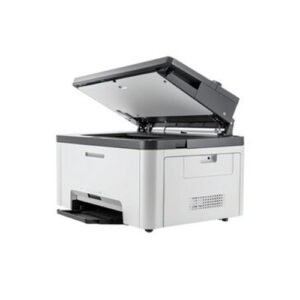
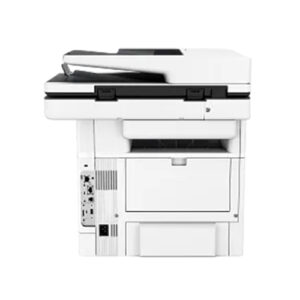
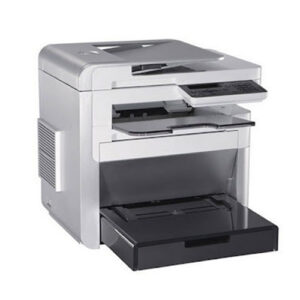
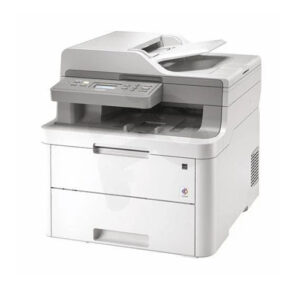
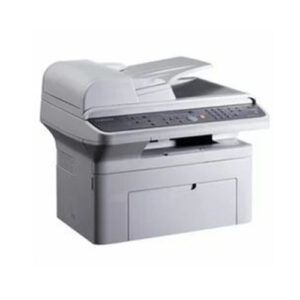
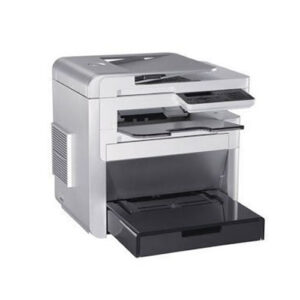
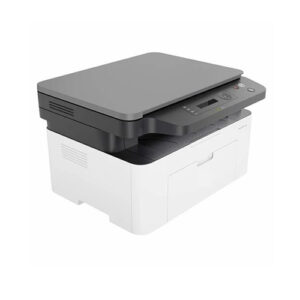
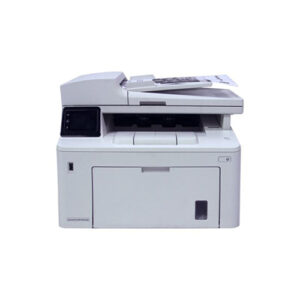
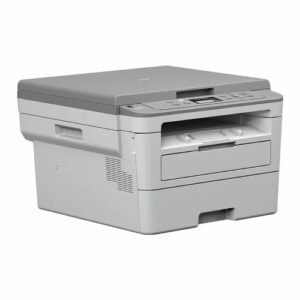
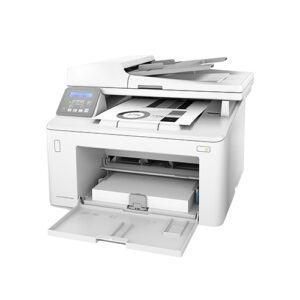
1. Unboxing and Checking Components Start by carefully unboxing your printer and verifying all included items. This usually includes the printer, power cable, ink cartridges, setup CD (optional), and user manual. Ensuring everything is present avoids setup interruptions later.
2. Choosing the Right Location for Your Printer Place your printer on a flat, stable surface near a power outlet and within range of your Wi-Fi router (if using wireless setup). Proper placement ensures good connectivity and prevents overheating or physical damage.
3. Powering On the Printer Plug in the printer and press the power button to turn it on. Wait for the printer to initialize. Most printers will display setup instructions on a small screen or through indicator lights.
4. Installing Ink Cartridges Open the cartridge access door and insert the provided ink cartridges into their respective slots. Make sure they click into place securely. This step is essential for proper print quality.
5. Loading Paper Correctly Insert paper into the input tray and adjust the paper guides so they fit snugly. Using the correct paper type and alignment helps prevent paper jams and ensures clean printing.
6. Connecting the Printer to Wi-Fi Use the printer’s control panel to select your Wi-Fi network and enter the password. This allows wireless printing from multiple devices without needing cables.
7. Installing Printer Drivers and Software Download and install the latest printer drivers on your computer from the official website. Drivers allow your computer to communicate effectively with the printer.
8. Connecting via USB (Optional Method) If Wi-Fi setup is difficult, connect the printer to your computer using a USB cable. This provides a stable connection and can also help complete the initial setup.
9. Adding the Printer to Your Device On your computer or smartphone, go to printer settings and add your printer. Once detected, select it as your default printer for convenience.
10. Printing a Test Page Print a test page to confirm everything is working properly. This helps verify ink installation, alignment, and connectivity.
11. Troubleshooting Common Setup Issues If the printer isn’t connecting or printing, check Wi-Fi credentials, restart devices, or reinstall drivers. Basic troubleshooting resolves most beginner issues quickly.
12. Maintaining Your Printer After Setup Regularly clean the print head, keep firmware updated, and use the printer occasionally to prevent ink from drying out. Proper maintenance extends the printer’s lifespan.
How to Connect Your Printer to Wi-Fi (Easy Setup Guide)
Connecting your printer to Wi-Fi allows you to print wirelessly from your laptop, phone, or tablet—no cables needed. Follow these simple steps to get your printer online.
Before You Start
Make sure:
Your printer is powered on
Your Wi-Fi network is working properly
You know your Wi-Fi name (SSID) and password
Your computer or phone is connected to the same network
Method 1: Connect Using Printer Control Panel
This is the most common way if your printer has a screen.
Go to the printer’s Home/Menu
Select Wi-Fi Setup or Network Settings
Choose Wireless Setup Wizard
Select your Wi-Fi network name
Enter your Wi-Fi password
Confirm and wait for connection
Once connected, a Wi-Fi icon or confirmation message will appear.
Method 2: Connect Using Computer (Windows/Mac)
Connect the printer to your computer using a USB cable (temporary)
Download and install the latest printer software from the manufacturer’s support website
Open the setup program
Choose Wireless Connection when prompted
Follow on-screen instructions to connect to Wi-Fi
Remove the USB cable after setup completes
Method 3: Connect Using Mobile App
Many printers support mobile setup apps.
Install the official printer app from your app store
Open the app and select Add Printer
Follow instructions to connect the printer to Wi-Fi
Enter your network password when asked
If Wi-Fi Connection Fails
Try these fixes:
Restart your printer and Wi-Fi router
Move the printer closer to the router
Double-check the Wi-Fi password
Reset the printer’s network settings and try again
Verify Connection
Print a Network Status Page from the printer
Check if it shows a valid IP address
Try printing a test page from your device
Helpful Tips
Avoid connecting to guest networks (may block printing)
Keep your printer firmware updated
Ensure only one active network connection is used
How to Fix “Printer Offline” Error (Complete Guide)
Seeing a “printer offline” message can be frustrating, especially when you need urgent prints. This issue usually means your computer is unable to communicate with the printer—even if it’s powered on. The good news is that it’s often easy to fix.
What Does “Printer Offline” Mean?
When a printer shows as offline, your system believes the device is either disconnected, turned off, or not responding. This can happen due to network issues, incorrect settings, or outdated software.
Common Causes
Weak or lost Wi-Fi connection
Printer set to “Use Printer Offline” mode
Outdated or corrupted drivers
Stuck print jobs in the queue
Incorrect default printer settings
Step-by-Step Solutions
1. Check Printer Connection
Make sure the printer is turned on.
If using USB, ensure the cable is securely connected.
For Wi-Fi printers, confirm it’s connected to the same network as your computer.
2. Set Printer to Online Mode
Open Control Panel → Devices and Printers
Right-click your printer
Uncheck “Use Printer Offline”
3. Restart Devices
Turn off your printer and computer
Restart your Wi-Fi router
Turn everything back on and try printing again
4. Clear Print Queue
Open Devices and Printers
Double-click your printer
Cancel all pending print jobs
A stuck job can sometimes force the printer into offline mode.
5. Set as Default Printer
Go to Devices and Printers
Right-click your printer
Select “Set as Default Printer”
6. Update or Reinstall Drivers
Uninstall the current printer driver
Download the latest version from the official support website
Reinstall and reconnect the printer
7. Check Network Settings
Print a network status sheet from your printer
Verify the IP address matches your network
Reconnect the printer to Wi-Fi if needed
8. Disable Firewall Temporarily (Test Only)
Sometimes firewall settings block communication:
Temporarily disable firewall/antivirus
Try printing
Re-enable security after testing
How to Install a Printer (Step-by-Step Guide)
Setting up a new printer doesn’t have to be complicated. Whether you’re installing it on Windows or Mac, the process is straightforward if you follow the right steps. This guide walks you through everything you need to get your printer up and running smoothly.
Before You Begin
Make sure you have:
Your printer (unboxed and powered on)
Power cable and USB cable (if using wired setup)
A stable Wi-Fi connection (for wireless setup)
A computer or laptop
Step 1: Unbox and Prepare the Printer
Remove all packaging materials and protective tapes
Plug in the power cable and turn on the printer
Install the ink cartridges properly
Load paper into the tray
Step 2: Connect the Printer
Option A: USB (Wired Setup)
Connect the printer to your computer using a USB cable
Your system may automatically detect and install basic drivers
Option B: Wi-Fi (Wireless Setup)
Use the printer’s control panel to select your Wi-Fi network
Enter your Wi-Fi password
Make sure your computer is connected to the same network
Step 3: Install Printer Drivers
Drivers allow your computer to communicate with the printer.
Visit the official support website of your printer manufacturer
Search for your printer model
Download the latest drivers for your operating system
Run the installer and follow on-screen instructions
Step 4: Add Printer to Your System
On Windows:
Go to Settings → Devices → Printers & Scanners
Click Add a Printer or Scanner
Select your printer from the list
On Mac:
Go to System Settings → Printers & Scanners
Click the + (Add) button
Choose your printer and add it
Step 5: Test the Printer
Print a test page to confirm everything is working
Check print quality and alignment
Run a cleaning cycle if needed
How to Fix Common Printer Errors: A Complete Troubleshooting Guide
Printers are essential for both home and office work, but they can sometimes throw frustrating errors that interrupt productivity. Whether you're dealing with connection issues, paper jams, or mysterious error codes, most problems can be resolved with a bit of systematic troubleshooting. This guide walks you through common printer errors and practical solutions to get things working again.
1. Printer Not Responding
Problem: Your computer sends a print command, but nothing happens.
Possible Causes:
Loose or disconnected cables
Wi-Fi connectivity issues
Printer set to offline mode
Solutions:
Check all physical connections (USB or power cables).
Restart both the printer and your computer.
Ensure the printer is set as the default device.
Reconnect to Wi-Fi or run the printer’s network setup again.
2. Paper Jam Issues
Problem: Paper gets stuck inside the printer, halting printing tasks.
Possible Causes:
Incorrect paper alignment
Dust or debris inside the printer
Using damaged or low-quality paper
Solutions:
Turn off the printer before removing jammed paper.
Gently pull the paper out in the direction of the feed.
Check for torn pieces inside the rollers.
Reload clean, properly aligned paper.
3. Poor Print Quality
Problem: Printouts appear faded, streaky, or smudged.
Possible Causes:
Low ink levels
Clogged printhead
Incorrect print settings
Solutions:
Check and replace low or empty ink cartridges.
Run the printer’s built-in cleaning cycle.
Adjust print settings to higher quality mode.
Use recommended paper types for better results.
4. Error Codes Displayed
Problem: The printer shows an error code, preventing operation.
Possible Causes:
Internal hardware issue
Cartridge recognition failure
Firmware glitches
Solutions:
Turn the printer off and unplug it for a few minutes before restarting.
Remove and reinstall ink cartridges properly.
Check the user manual for specific error code meanings.
Update printer firmware if an update is available.
5. Connectivity Problems
Problem: Printer not connecting to Wi-Fi or computer.
Possible Causes:
Incorrect network credentials
Router issues
Outdated drivers
Solutions:
Re-enter Wi-Fi password and reconnect the printer.
Restart your router and printer.
Update or reinstall printer drivers on your computer.
Use a USB connection temporarily to troubleshoot.
6. Driver or Software Errors
Problem: Printer not recognized or showing software-related errors.
Possible Causes:
Corrupt or outdated drivers
Compatibility issues with the operating system
Solutions:
Uninstall and reinstall the printer drivers.
Download the latest drivers from the official support website.